

In short, Vietnam travel tips for foreign visitors cover 6 areas: choosing a region, sorting out your visa, picking safe accommodation, planning transport, staying alert to petty crime, and understanding the Vietnamese dong before you exchange money.
Key Takeaways
- Visit both Ho Chi Minh City and Hanoi to see contrasting sides of Vietnam travel.
- Apply for an e-visa, a visa on arrival, or an embassy visa based on nationality and trip length.
- Book accommodation through Booking, Agoda, or Airbnb, or try a local homestay.
- Get around by motorbike taxi, rented motorbike, or a ride-hailing app such as Grab.
- Stay alert to petty theft and mosquito-borne illness rather than worrying about violent crime.
- Carry Vietnamese dong for everyday spending and double-check change given the number of zeros.
It is indisputable that Vietnam is a one-of-a-kind country with a diverse range of magnificent landscapes spanning from the North to the South. With its rich culture and history, great food, and friendly people, it is no surprise that Vietnam is a popular tourist destination. However, many international tourists who travel to Vietnam are not well-informed about the tips on how to have the greatest experience possible.
Planning is an important component of any trip, and there are several things you should know before visiting Vietnam, especially if you are a first-time visitor.
Read more: What Is Travel Insurance and How To Choose The Suitable One (ezyremit.com)
Which Region of Vietnam Should Foreign Visitors Explore First?
Vietnam is a long, coastal country with its signature S-curve, and its two largest cities feel like different worlds. Ho Chi Minh City (or Saigon, as locals call it) is fast-paced and shaped by decades of western contact, while Hanoi in the north stays closer to Vietnam traditional customs. First-time visitors get the fullest picture of Vietnam travel by spending time in both cities rather than just one.
Ho Chi Minh City also has a lively nightlife scene, including several rooftop bars in Saigon with skyline views over District 1, which is worth building into your itinerary if you enjoy evenings out.
Friendly inhabitants, well-preserved customs, historic towns, mature tourism facilities, and reasonably priced hotels will all make your visit to Vietnam more intriguing and unforgettable. For a broader shortlist beyond the two big cities, see our guide to the top 10 places you must visit in Vietnam, since your trip experience can be excellent even away from the best-known sights.
What Visa Do Foreign Visitors Need to Enter Vietnam?
Foreign visitors can enter Vietnam with an e-visa, a visa on arrival, or a visa issued by a Vietnamese embassy, depending on nationality and length of stay. Visa rules in Vietnam change more often than in many other countries, so it is important to double-check current requirements with your embassy or the official Vietnamese immigration website before you book travel.
These Vietnam travel tips on visas start with knowing your options: there are many categories of visas, but for travelers, the three types you can apply for are:
| Visa Type | Best For | Typical Duration | Where to Apply |
|---|---|---|---|
| E-Visa | Most tourists and short business trips | Up to 90 days, single or multiple entry | Online, before departure |
| Visa on Arrival | Travelers flying into a major Vietnamese airport | Set by the approval letter | Airport, with a pre-arranged approval letter |
| Embassy Visa | Travelers who prefer a visa in their passport before flying | Set by the embassy | Vietnamese embassy or consulate |
- E-Visa: You may get one by filling out an online application form. It is suggested for travelers since it is the most convenient and cost-effective option. Since 15 August 2023, Vietnam e-Visas are valid for up to 90 days with single or multiple entry, per the Embassy of Vietnam official announcement on Resolution No. 127/NQ-CP.
- Visa on Arrival: In Vietnam, VOA is conditional. In addition to the standard immigration application (obtained on the flight or at the airport), your passport, pictures, cash, and an Approval Letter are required (obtained through travel agencies and then printed out). Most major airports in Vietnam accept VOA, and the process usually takes around 30 minutes.
- Embassy Visa: It is available through any Vietnamese embassy in your country, as well as any other country with a Vietnamese embassy. You simply need to follow the provided steps to acquire a Vietnam visa.

Furthermore, regular passport holders from certain countries do not require a visa to enter Vietnam. More information about the visa exemption policy may be found here.
Where Should Foreign Visitors Stay in Vietnam?
Foreign visitors can find accommodation in Vietnam for almost any budget, from hostels and homestays to full-service resorts, since Vietnam, like most of Southeast Asia, offers many affordable and simple alternatives for any travel budget.
At the moment, whatever sort of accommodation suits you the most, you can look up Booking, Agoda, or Airbnb to find the best one for your needs. One of the useful Vietnam travel tips is to experience local homestays with a comfy staycation and friendly service.
There are many various forms of accommodation in Vietnam depending on the nature of your visit and your travel budget, ranging from resorts, hotels, hostels, and guesthouses (homestay), to regular apartments. These Vietnam travel tips on lodging apply whether you book weeks ahead or on arrival.
What Is the Best Way to Get Around Vietnam?
Motorbike taxis, ride-hailing apps such as Grab, and rented motorbikes are the most common way for foreign visitors to get around Vietnamese cities, since Vietnam has a wide and efficient transportation network linking almost every corner of the country, from trains to buses. These Vietnam travel tips for getting around apply equally in Hanoi, Ho Chi Minh City, and smaller provincial towns.

Arriving in any major metropolitan area in Vietnam might be a bit jarring, especially if you have not spent much time in Asia previously. The streets are busy, motorbikes are all over the road, and there is not always much tourist information to help you navigate depending on the city. Vietnam is also a congested nation with narrow streets and lanes in major cities, so traffic congestion at peak hours is common.
There are several transportation options available for you to choose from, including motorbikes, taxis, buses, and rickshaws. Motorcycles are unquestionably the most convenient and cost-effective method for short trips. You can usually arrange a rented motorbike through your hotel, hostel, or homestay; ask them for the current daily rate, since prices vary by location and season.
If you find it too hard to navigate the streets of Vietnam yourself, ride-sharing apps such as Grab or Bee are widely available here. They are easy to use and mostly English supported.
Is Vietnam Safe for Foreign Visitors?
Vietnam is a generally safe country for foreign visitors, including first-time travelers, since the locals are warm, helpful, and hospitable to international visitors. The main risks are petty theft in crowded tourist areas, traffic accidents, and mosquito-borne illness rather than violent crime, so most precautions are about awareness rather than danger avoidance. These Vietnam travel tips on safety apply to solo travelers and groups alike.

- When crossing the street in Vietnam, simply go slowly and cars will generally avoid you. Make no unexpected moves.
- Motorcycling may be a thrilling experience, but it can also be dangerous in cities if you do not know the ins and outs. Drive slowly and follow local traffic laws.
- Street crimes such as robberies and pick-pocketing are especially prevalent in big cities and tourist areas like Hanoi, Ho Chi Minh City, and Nha Trang. Take careful care of your possessions and keep your bags in front of you in crowded areas, and keep an eye out before you hold up your phone or wallet.
- To avoid infectious illnesses such as dengue fever, dress in long-sleeved shirts and trousers and use mosquito repellent.
- Street food can be risky if not prepared sanitarily. Use sites like Foody or ask your local guide for recommendations on where it is safe to eat.
How Does Currency and Money Exchange Work in Vietnam?
The official currency of Vietnam is the Vietnamese dong, shown after an amount as an abbreviation such as "d" or "VND". Vietnamese banknotes range from 1.000 VND to 500.000 VND, and the number of zeros can be confusing at first, so one of the most useful Vietnam travel tips on currency is to double-check carefully while exchanging money, paying for things, or receiving change.

Should Foreign Visitors Use Cash or Card in Vietnam?
Cash remains the preferred payment method in Vietnam, especially at markets, street food stalls, and small vendors outside major cities. Vietnam has been gradually moving toward a cashless society, but visitors should still carry enough cash on hand, especially if they plan on visiting markets or street vendors.
Should Foreign Visitors Pay in Dong or US Dollars?
Vietnamese dong is the national currency and the preferred one for everyday transactions, but US dollars are also widely accepted in Vietnam. You can use US dollars to pay vendors, drivers, hotels, and restaurants aimed at tourists, and some hotel rates and airline tickets are even priced directly in US dollars.
Where Can Foreign Visitors Exchange Money in Vietnam?
Vietnam has widespread currency exchange options in and around its major cities, including banks, licensed exchange counters, and some hotels and jewelry stores. The USD is the most popular and easily convertible currency in Vietnam, and AUD, GBP, EUR, and CNY are also reasonably straightforward to exchange.
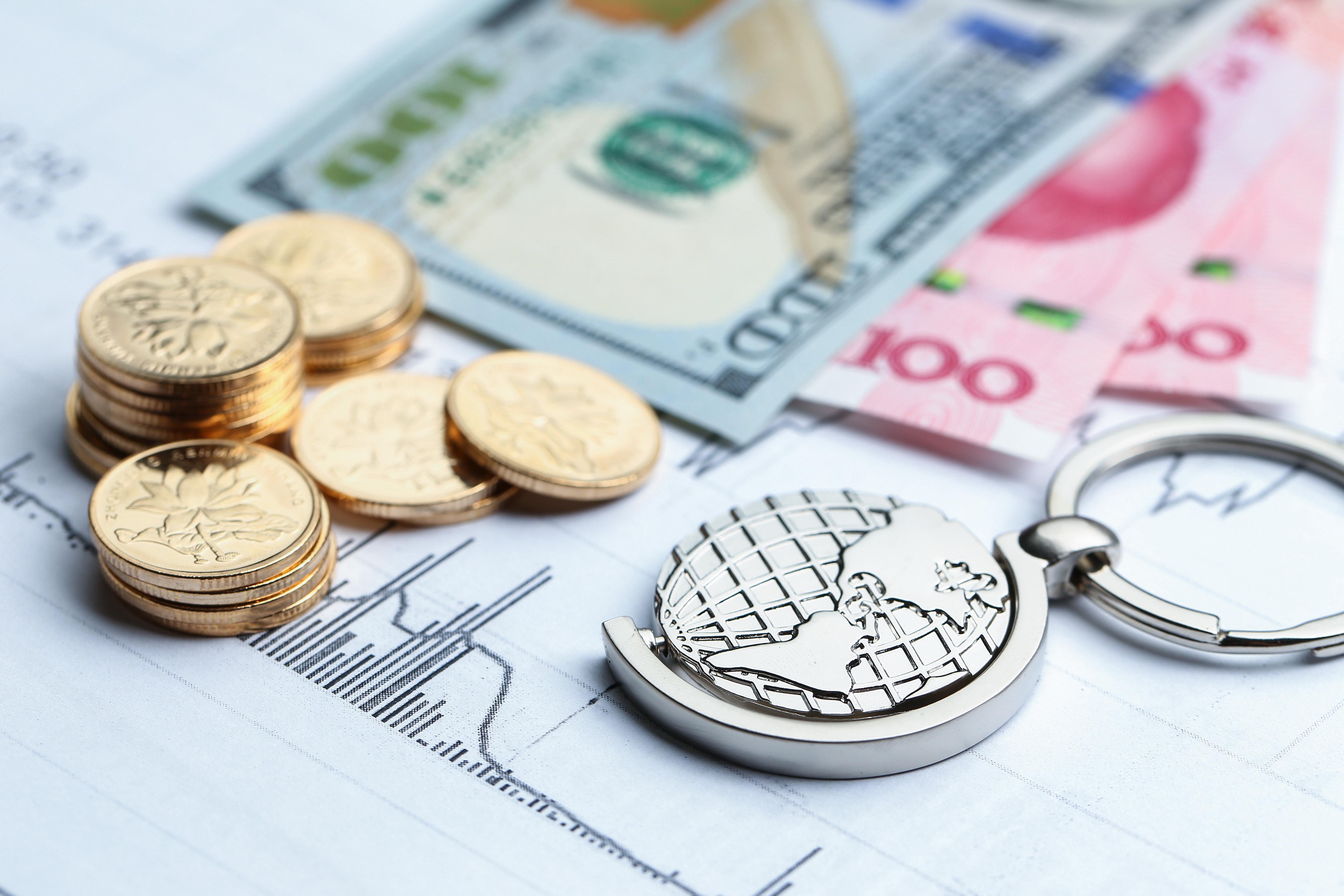
Airport banks and money changers frequently convert money at weaker rates than counters in the city center, while some hotels and jewelry stores can also exchange currency, sometimes with more favorable rates. Always compare rates before exchanging a large amount so you do not get short-changed.
However, most of these headaches surrounding money can be avoided if you use EzyRemit for your trip to Vietnam.
How Can EzyRemit Make Managing Money in Vietnam Easier?
As a convenient service of EzyRemit, EzyTravel is a virtual multi-currency wallet built for international travelers coming to Vietnam. It lets you carry money safely and easily when traveling internationally instead of carrying only cash, by storing your own money in the currencies you require on an EzyCash account.
You only need your passport to receive money from affiliated banks using the EzyRemit app, which removes many of the risks that come with carrying too much cash while traveling in Vietnam.
With the exchange rate locking option, when you deposit money into an EzyRemit virtual currency pocket, the amount you get after the exchange stays fixed regardless of later market fluctuations, so your travel budget is not affected by rate swings after you lock it in.
For more information, check out our website and start planning your trip to Vietnam today.
These Vietnam travel tips cover the questions foreign visitors ask most often before a first trip to Vietnam.
FAQ: Vietnam Travel Tips for Foreign Visitors
Do foreign visitors need a visa to enter Vietnam?
Yes. Most foreign visitors need either an e-visa, a visa on arrival, or a visa from a Vietnamese embassy before traveling to Vietnam. Citizens of a limited number of countries qualify for visa exemption on short stays. Since 15 August 2023, the Vietnam e-visa allows a stay of up to 90 days with single or multiple entry, under Resolution No. 127/NQ-CP.
Is Vietnam safe for foreign visitors?
Vietnam is generally safe for foreign visitors, with low rates of violent crime and a welcoming local population. The main risks are petty theft in crowded tourist areas, traffic accidents, and mosquito-borne illness, so visitors should stay alert with their belongings, follow local traffic rules, and use insect repellent in humid areas.
Should foreign visitors carry Vietnamese dong or US dollars?
Foreign visitors should carry Vietnamese dong for everyday purchases such as markets, street food, and local transport, since cash remains the preferred payment method outside major hotels. US dollars are also accepted at many hotels, airlines, and tour operators, but dong is needed for small vendors and street-level transactions.
What is the easiest way to get around Vietnam as a tourist?
Motorbike taxis and ride-hailing apps such as Grab are the easiest way for foreign visitors to get around Vietnamese cities, since both are inexpensive and widely available. For longer distances between cities, domestic flights, trains, and long-distance buses connect major destinations across the country.
Last updated 2026-08-11: refreshed visa validity, removed a lapsed 2022 covid-era entry note, and added current internal links.


