Are you an international student planning to study in New Zealand? Congratulations on embarking on this exciting journey! New Zealand is renowned for its breathtaking landscapes, vibrant culture, and warm, welcoming locals. To truly make the most of your time in this beautiful country, consider adopting a local's perspective. In this guide, we'll walk you through the essential tips and tricks to experience New Zealand like a true Kiwi. 

EMBRACE THE KIWI LIFESTYLE 

New Zealanders, affectionately known as Kiwis, are laid-back and easygoing people who love the great outdoors. Embrace the Kiwi lifestyle by getting involved in outdoor activities like hiking, biking, or surfing. You'll find plenty of opportunities to explore the country's stunning national parks, beaches, and forests, often for little or no cost. 

DELVE INTO MAORI CULTURE 

The indigenous Maori culture is an integral part of New Zealand's identity. Take the time to learn about their customs, language (Te Reo Maori), and traditions. Participate in cultural events, visit marae (Maori meeting grounds), and respect their protocols. Understanding Maori culture will deepen your appreciation for New Zealand's heritage. 

 

SUPPORT LOCAL BUSINESSES 

Kiwis take great pride in supporting local businesses, and you should too. Instead of always dining at international chain restaurants, try local eateries and cafes. Visit farmers' markets for fresh produce and seek out boutique shops for unique souvenirs. This way, you'll not only experience authentic New Zealand, but you'll also contribute to the local economy. 

New Zealand has a vibrant market scene, with many local markets held across the country, including weekend markets. Here are some popular weekend markets in different regions of New Zealand: 


Destination 

Market Name 

Auckland 

La Cigale French Market 

Auckland 

Matakana Village Farmers' Market 

Wellington 

Harbourside Market 

Wellington 

Wellington Underground Market 

Christchurch 

Christchurch Farmers' Market 

Christchurch 

Arts Centre Market 

Dunedin 

Otago Farmers' Market 

Queenstown 

Remarkables Market 

Nelson 

Nelson Market 

Tauranga 

Tauranga Farmers Market 


Please note that market schedules and locations may be subject to change, so it's always a good idea to check for the latest information before planning your visit. These markets provide an excellent opportunity to support local businesses, indulge in regional specialties, and immerse yourself in the vibrant atmosphere of New Zealand's diverse communities. 

ATTEND CULTURAL EVENTS AND FESTIVALS 

New Zealand hosts numerous cultural events and festivals throughout the year. From lively music festivals to traditional Maori celebrations, these events offer a fantastic opportunity to immerse yourself in Kiwi culture and meet like-minded individuals: 

  • Matariki Festival: Matariki is the Maori New Year, and the Matariki Festival is held around late May to early June. It includes a series of events, including cultural performances, art exhibitions, storytelling, and traditional ceremonies, to mark the rising of the Pleiades star cluster. 
  • Pasifika Festival: This is one of the largest Pacific Island cultural festivals in the world. Held annually in Auckland, Pasifika celebrates the diverse cultures of the Pacific Islands with vibrant performances, music, dance, arts, crafts, and delicious Pacific Island cuisine. 
  • WOMAD (World of Music, Arts, and Dance): WOMAD is an international festival held in New Plymouth, showcasing music, dance, arts, and culture from around the world. It's a vibrant and multicultural event that attracts performers and audiences globally. 
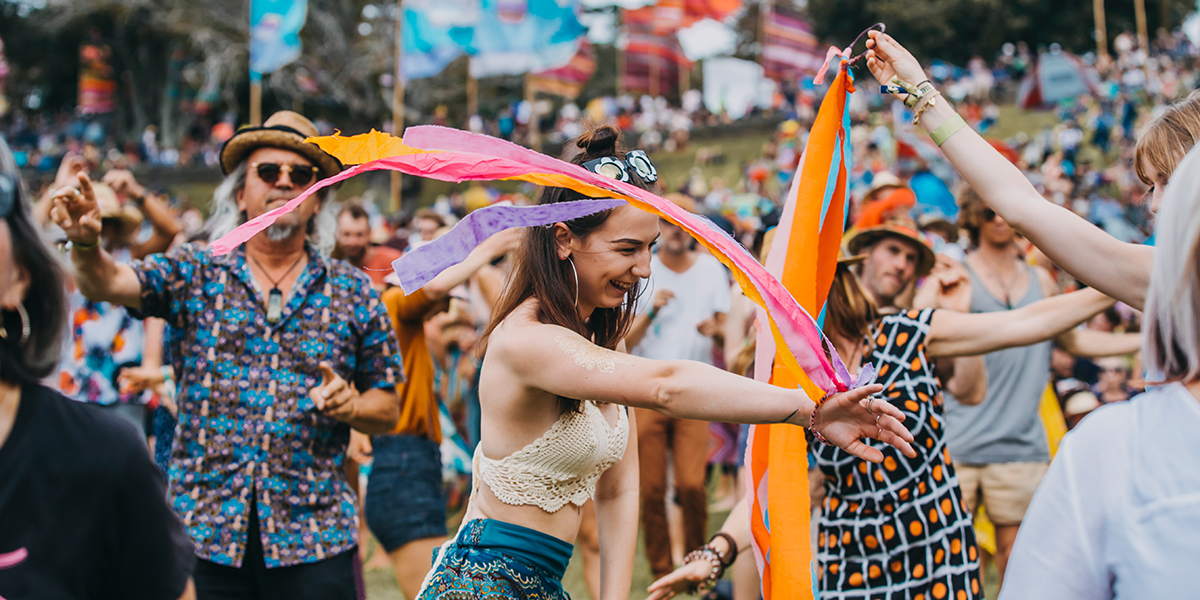
 

  • Te Matatini (Kapa Haka Festival): Since you decide to study and live in New Zealand, you don't want to miss this big opportunity to explore the Maori culture. Te Matatini is a prestigious Maori performing arts festival that takes place every two years, featuring fierce kapa haka (traditional Maori performing arts) competitions with groups from across New Zealand. 

 

USE PUBLIC TRANSPORTATION 

To truly live like a local, opt for public transportation when possible. Kiwis are known for their environmentally conscious attitudes, and using buses or trains is a fantastic way to reduce your carbon footprint while experiencing the country like a true local. 

In major cities like Auckland and Wellington, public transportation uses contactless payment cards. Get an AT HOP card in Auckland or a Snapper card in Wellington from authorized retailers, train stations, or online. These cards allow you to tap on and off buses and trains, making your trips more convenient. 
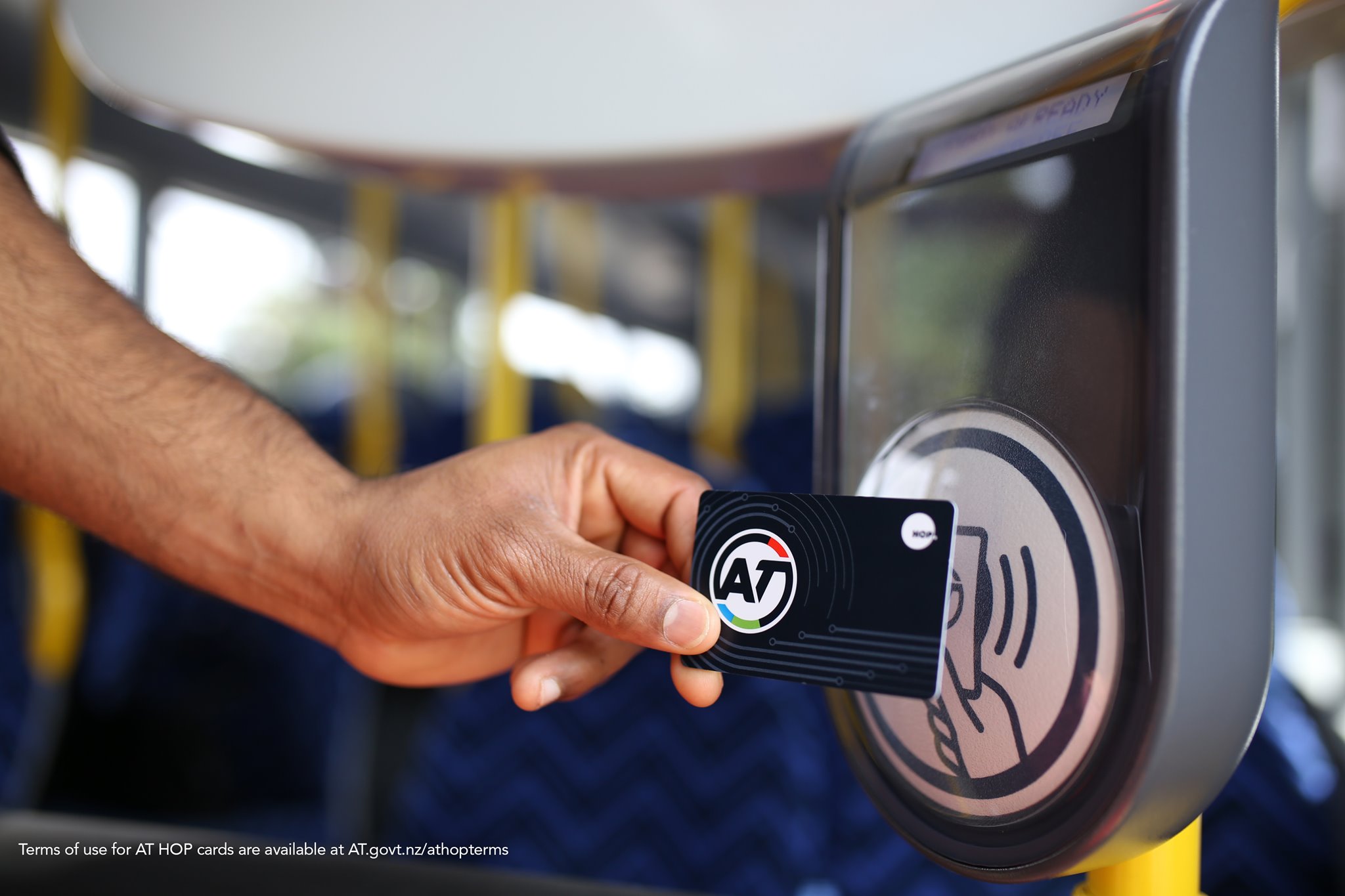
 

AT HOP cards in Auckland offer various options, including adult cards, discounted cards for children and students, SuperGold cards for eligible seniors, and day passes for unlimited travel in a day. Additionally, there are monthly passes for regular commuters and single-trip tickets for occasional travelers or visitors. 

As last update in September 2021, the price for an AT HOP card in Auckland, New Zealand, was NZD $10 for the card itself. This price included an initial load value of NZD $5 for travel credit. It's always best to check the official website of Auckland Transport (https://at.govt.nz) or visit a local retailer or transport office to get the most up-to-date information on the cost of the AT HOP card and its associated travel credit. 

LEARN SOME KIWI SLANG 

Kiwis have their own unique slang that might leave you scratching your head initially. Take the time to learn some common Kiwi expressions; it's a fun way to break the ice and connect with the locals on a deeper level. Some of these are: 

  • Kia Ora: A Maori greeting used to say "hello" or "thank you." 
  • Kiwi: A term used to refer to a New Zealander or the native flightless bird, the kiwi. 
  • Sweet as: Means "all good" or "no problem," often used to express agreement or approval. 
  • Chur: An expression of approval, thanks, or excitement, similar to "cheers" or "thanks." 
  • Bach: A holiday home or small vacation house. 

BE RESPECTFUL OF THE ENVIRONMENT 

New Zealand boasts unparalleled natural beauty, and Kiwis are passionate about preserving it. Always be mindful of the environment and practice responsible tourism. Follow local guidelines, dispose of waste properly, and leave no trace when exploring the wilderness. 



CONCLUSION 

New Zealand offers international students a unique and enriching experience through its stunning landscapes, warm culture, and vibrant communities. By immersing themselves in the local way of life, embracing Maori culture, and participating in cultural events and festivals, they can make the most of their time in New Zealand, creating lasting memories and forging meaningful connections that will stay with them long after their studies. 

As an international student from Vietnam studying in New Zealand, managing your finances and educational expenses can be overwhelming. That's where EzyRemit comes in to make your life easier. EzyRemit offers a specialized education payment service designed specifically for Vietnamese students in New Zealand.  

With our competitive exchange rates, low fees, and quick processing, you can easily receive money for tuition fees, living expenses, and other educational needs. Trust EzyRemit to handle your education payments so you can focus on your studies and fully enjoy your experience in New Zealand. 

Learn more about our Education Payment Service at: ezyremit.com/EducationPayment 


Related content: 

Transcend Boundaries: Enriching Connections through Cultural Experience (ezyremit.com) 

How to Save on Travel Expenses: 7 Budget-Friendly Travel Tips (ezyremit.com) 

Summer is right around the corner, and international students certainly have many options for enjoying this hottest season, among the cultural experience. Whether you're venturing to a new country or adapting to a different cultural landscape, embracing local traditions and customs can enrich your educational journey and create unforgettable memories.  

In this guide, we'll take you on a captivating cultural exploration, providing valuable insights, tips, and recommendations for international students seeking to make the most of their cultural experiences while studying abroad. From vibrant festivals to culinary delights and everything in between, let's unlock it! 

Negative Impacts of Having None of Cultural Experience on International Students 

Culture Shock – the First Thing to Encounter 

It is common for international students to experience culture shock while studying abroad. No matter how much you know about global culture, you’ll likely experience at least a small amount of culture shock. Accepting that life will be different while participating in your study abroad program may ease the adjustment process. Understanding that you may end up in awkward situations from time to time and being ready to make mistakes when you first arrive can help you prepare for the experience. 

Things to Lose if You Do Not Gain Cultural Experience 

Studying abroad is more than just taking classes in a different country. It is also an opportunity to have cultural experiences that can broaden our perspectives. Cultural experiences can include learning a new language, exploring different customs and traditions, making new friends from diverse backgrounds, and gaining a deeper understanding of the world. 

Cultural experiences can benefit us in many ways. They can help us develop skills such as independence, adaptability, and resourcefulness, which are valuable for our personal and professional growth. They can also help us appreciate the diversity and complexity of human cultures and foster a sense of curiosity and respect for others. Moreover, they can enhance our creativity and critical thinking by exposing us to new ideas and challenges. 

Having cultural experiences while studying abroad can also make our academic journey more meaningful and enjoyable. We can learn from different approaches to teaching and researching and apply our knowledge to real-world situations. We can also discover new interests and passions and pursue them with confidence and enthusiasm. 

Cultural Experience to Have While Studying Abroad 

Learn Native Language 

Language is a powerful tool that can open doors to cultural immersion. Take advantage of language courses or language exchange programs to learn the local language. Communicating with locals in their native tongue not only enhances your overall experience but also allows you to engage more deeply with the culture and gain a unique perspective on everyday life. 

You can take language classes, use online resources, watch movies and TV shows, listen to podcasts and music, and practice with native speakers. The more you expose yourself to the language, the more you will learn and improve. 

Live with A Host Family 

Another way to get a deeper insight into a culture experience is to live with a host family. A host family can provide you with a home away from home, a support system, and a window into the daily life and customs of your host country. You can share meals, celebrate holidays, participate in family activities, and learn about their values and beliefs. Living with a host family can also help you practice the language and make lasting friendships. 

Explore The Local Cuisine 

One of the most delightful ways to experience a culture is through its cuisine. Step outside your comfort zone and savor the flavors of local delicacies. Explore bustling food markets, try traditional dishes, and learn about the culinary traditions and customs associated with different meals. You might discover new favorite dishes and gain insights into the cultural significance of food in your host country. 

explore cultural experience through cuisine

You can visit local markets, restaurants, cafes, street vendors, and food festivals, and sample a variety of foods and drinks. You can also learn how to cook some of the local specialties, either by taking a cooking class or by asking your host family or friends to teach you.  

Join Clubs and Activities 

You can join a sports team, a music group, a dance class, a volunteer organization, a religious group, or any other club that matches your hobbies or passions. Joining clubs and activities can help you meet new people, learn new skills, have fun, and discover aspects of the culture that you might not otherwise encounter. Connect with local communities to truly immerse yourself in the cultural fabric of your host country. Seek out volunteering opportunities, join cultural clubs or organizations, and participate. 

cultural experience: join club and activities

Many universities and cultural organizations organize workshops and events specifically designed to introduce international students to the local culture. From traditional dance classes to art exhibitions and music performances, these events provide an opportunity to learn new skills, appreciate local artistic expressions, and engage with fellow students and locals who share a passion for cultural exploration. 

Take Cultural Experience Through Travelling Around the Country 

cultural experience in city

Finally, one of the best ways to get the most out of your study abroad experience is to travel around the country and see as much as you can. Delve into the rich history of your host country by exploring its iconic landmarks and historical sites. Walk in the footsteps of ancient civilizations, marvel at architectural wonders, and gain a deeper understanding of the cultural heritage that has shaped the nation. 

Read more: How to Save on Travel Expenses: 7 Budget-Friendly Travel Tips (ezyremit.com) 

You can learn about the history, traditions, languages, and cuisines of different regions and communities. You can also interact with people from diverse backgrounds and perspectives and gain a deeper understanding of their values and beliefs. Traveling can also expose you to new challenges and opportunities, such as exploring natural wonders, trying new activities, or discovering hidden gems. By traveling around the country, you can broaden your horizons and appreciate the diversity and richness of your own culture. 


Conclusion 

Embarking on a cultural adventure while studying abroad can be a transformative experience for international students. By embracing local festivals, exploring historical landmarks, engaging with local communities, indulging in culinary adventures, learning the language, attending cultural events, and respecting cultural etiquette, you can unlock the true essence of a culture and make your study abroad journey even more rewarding. Immerse yourself in the diverse tapestry of global cultures, broaden your horizons, and create lifelong memories that will shape your perspective and enrich your life. So, step out of your comfort zone and start your cultural exploration today! 

The number of international tourist arrivals worldwide, including leisure and business travellers, declined by approximately 72 percent in 2020 due to the pandemic, falling back to 1990 levels, then experienced a nine percent annual increase in 20211. According to the UNWTO Tourism Data Dashboard, Europe was the most visited region in 2021 with 303 million international arrivals, followed by Asia and the Pacific with 121 million arrivals. 

Read more: 9 Simple Tips for Surviving the Cost-of-Living Crisis (ezyremit.com) 

However, some people are still willing to spend more on travel despite the cost-of-living crisis. A survey by Skyscanner found that more than four in 10 people (43%) said that they would increase their travel budget in 2023, while one in five (21%) said they would spend the same amount as before the pandemic. Fortunately, there are many tips and tricks that can help you travel on a budget and enjoy your trip without breaking the bank.  


7 Travel Tips for Budget-Friendly 

Travelling on a budget doesn’t have to mean compromising on quality or experience. With these 7 travel tips, you can enjoy the best of both worlds and make the most of your travel budget.  

Top travel tips - Be flexible with your dates and destinations 

One of the easiest ways to save money on travel is to be flexible with your dates and destinations. You can use tools like Google Flights or Skyscanner to compare prices for different dates and places and find the cheapest options. You can also set up price alerts to get notified when the fares drop. One of the travel tips is you can use websites like Kayak or Expedia to search for "explore" or "anywhere" options and discover new destinations that fit your budget.  Finally, tools like Skyscanner or Google Flights are best for comparing different dates and times and finding the cheapest flights available. 


Book in advance or last minute 

 Another way to save money on travel is to book in advance or at the last minute. Booking in advance can help you secure lower prices and better deals, especially for flights and accommodation. Booking at the last minute can also help you find discounts and bargains, especially for tours and activities. However, this strategy requires more flexibility and spontaneity, as you may not have much choice or time to plan. 

Use travel rewards and discounts 

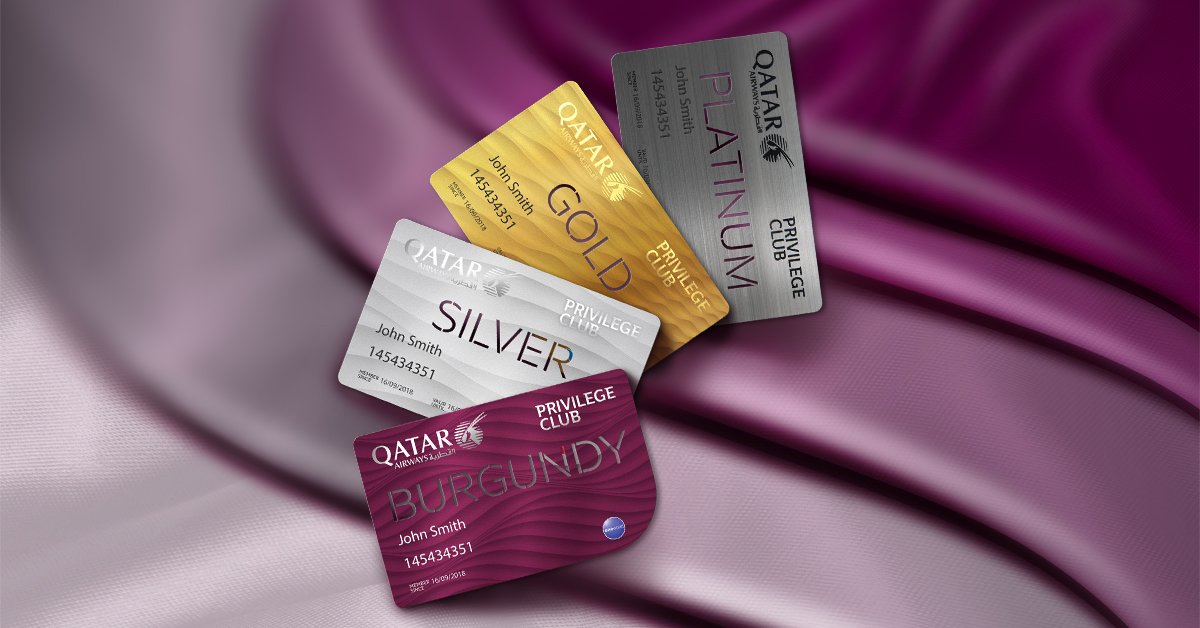
 If you travel frequently, you can use travel rewards and discounts to save money on your trips. You can sign up for loyalty programs with airlines, hotels, car rental companies, and other travel providers, and earn points or miles that you can redeem for free or discounted flights, stays, upgrades, and more. You can also use credit cards that offer travel rewards and benefits, such as cashback, travel insurance, airport lounge access, and more. Additionally, you can look for discounts and coupons online or offline, such as student discounts, senior discounts, group discounts, etc. 

travel tips - use reward

Most critical travel tips - Travel off-season or shoulder season 

Travelling off-season or shoulder season can help you save money on travel, as well as avoid crowds and enjoy better weather. Off-season is the time of year when the demand for travel is low, usually due to unfavourable weather or school schedules. Shoulder season is the time of year between peak season and off-season, when the demand for travel is moderate, usually due to mild weather or special events. You can research the best time to visit your destination online or ask a local expert for advice. 

travel tips - travel off-season

Use coupons, vouchers, or deals websites 

Another way to save money on your travel is to use coupons, vouchers, or deals websites that offer discounts on various products and services related to travel. You can find deals on flights, hotels, car rentals, tours, activities, restaurants, spas, shopping, and more. You can use websites like Groupon, LivingSocial, Travelzoo, or Viator to find these deals online and book them in advance. 

Use alternative modes of transportation 

Flying is not the only way to get around when you travel. You can also use buses, trains, ferries, car rentals, or ride-sharing services to explore different destinations. These modes of transportation can be cheaper, more scenic, more convenient, or more eco-friendly than flying. For example, you can take a bus from London to Paris for as low as $15, or a train from Bangkok to Chiang Mai for $20. 


Travel with a group or a partner 

Travelling with a group or a partner can help you save money on your travel expenses by splitting the costs of transportation, accommodation, food, and activities. You can also benefit from group discounts or special offers that are available for couples or families. Travelling with others can also make your trip more fun and memorable by sharing experiences and creating bonds. 

travel tips - travel with friends

EzyTravel – Top choice to be a travel buddy 

EzyTravel is the best travel companion for anyone who wants to explore Vietnam without worrying about currency fluctuations or robbery situations. With EzyTravel, you can lock your exchange rate and enjoy the convenience of cash delivery to your doorstep or withdrawal at any bank in Vietnam.  

Download EzyTravel today and experience the hassle-free way of travelling:  https://ezyremit.com/CashPassport  

If you are planning to travel to Vietnam for a week, you might want to consider getting some travel insurance to protect yourself from unexpected events. Travel insurance is an essential part of any trip planning. It can protect you from various risks and losses that may occur while travelling and save you from potential financial hardship. Travel insurance offers financial protection and peace of mind, ensuring that unforeseen circumstances do not disrupt your travel plans. Travel insurance can give you peace of mind and confidence to explore the world. 

In this article, we will explore the importance of travel insurance, provide a step-by-step guide on how to apply for it, and highlight some trustworthy brands to consider. 

Read more: How to Save on Travel Expenses: 7 Budget-Friendly Travel Tips (ezyremit.com) 

Why Travel Insurance is Crucial for Your Trip 

Some of the benefits of travel insurance include: 

- Cancellation cover: If you must cancel your trip due to unforeseen circumstances, such as illness, injury, death of a relative, or travel disruption, travel insurance can reimburse you for your prepaid and non-refundable travel expenses, such as flights, hotels, tours, etc. 

- Medical cover: If you get sick or injured while travelling, travel insurance can cover your medical expenses, such as hospital bills, doctor fees, medication, etc. Travel insurance can also arrange and pay for your medical evacuation or repatriation if needed. 

- Baggage and personal effects cover: If your luggage or personal belongings are lost, stolen, or damaged during your trip, travel insurance can compensate you for their value or cost of repair. Some policies also cover the cost of replacing essential items if your baggage is delayed. 

- Personal liability cover: If you cause injury or damage to someone else or their property while travelling, travel insurance can cover your legal liability and expenses. 

- Emergency Assistance: Travel insurance often provides 24/7 emergency assistance services. This can include access to a helpline for immediate support, travel information, and guidance during critical situations such as lost passports, legal emergencies, or language barriers. 


How to Apply? 

Applying for travel insurance is easy and convenient. You can compare and buy travel insurance online from various providers and platforms. You will need to provide some basic information about yourself, your trip details, and your desired level of coverage. You will also need to declare any pre-existing medical conditions that may affect your eligibility or premium. You will then receive a quote and a policy document that outlines the terms and conditions of your cover. 

It’s crucial to understand the policy details by reading carefully the terms and conditions, including coverage limits, exclusions, and claim procedures. Ensure that the policy aligns with your needs and offers sufficient coverage for potential risks. You should keep a copy of your policy and the contact details of your insurer with you while travelling. 


Reference of Fee for Some Trustworthy Travel Insurance Brands 

The cost depends on various factors, such as your age, destination, duration, activities, level of cover, and pre-existing medical conditions. Therefore, it is advisable to compare different quotes and plans from different providers before choosing one. 

According to our research, here are some of the reputable travel insurance brands that offer coverage for Vietnam: 

- InsureMyTrip: This is a comparison website that allows you to compare and buy travel insurance plans from various providers. You can customize your search based on your destination, trip duration, age, and coverage preferences. For a one-week trip to Vietnam, we found a range of plans from $18 to $64, depending on the level of coverage and deductible. Some of the providers include AXA, Seven Corners, TravelSafe, and Trawick International. All plans include at least $10,000 of medical coverage for COVID-19 treatment, which is required by the Vietnamese authorities. Some plans also offer additional benefits such as trip cancellation, emergency evacuation, baggage protection, and 24/7 assistance. 

travel insurance provider

- Luma Vietnam Pass: This is a travel insurance plan designed specifically for Vietnam by Luma Health, a leading health insurance provider in Asia. You can choose from four plans: Essential, Plan 1, Plan 2, and Plan 3, with different levels of coverage and premiums. For a one-week trip to Vietnam, the fees range from $18 to $30. All plans include medical coverage up to $100,000 and personal accident coverage up to $43,500. Plan 2 and Plan 3 also include incidental accident coverage such as baggage loss or delay, travel delay, trip curtailment or cancellation, personal money, and personal liability. 

travel insurance luma Vietnam pass

- Chubb Travel Insurance: This is a travel insurance plan offered by Chubb, one of the world's largest insurance companies. You can choose from One Trip or Annual plans for international trips, with different options for coverage and premiums. For a one-week trip to Vietnam, the One Trip plan fees range from $22 to $57. All plans include medical expenses up to $1 million and personal accidents up to $100,000. The higher-tier plans also include travel inconvenience benefits such as trip cancellation or interruption, baggage loss or delay, travel delay or misconnection, and personal liability. 

*Based on quotes obtained on 12th May 2023 


Double Guarantee for Your Vietnam Trip with EzyTravel 

Travelling in Vietnam may be an exciting adventure, especially for those who want to experience the country's infinite and wonderful beauty by bike. Cashless payment is prevalent in major cities like Vietnam Ho Chi Minh City, Ha Noi Capital, Da Nang, Nha Trang, and others. While some may not, overseas travellers must be prepared to carry cash.   

However, it has been reported that robbery and theft are two of the most difficult problems to handle. The most efficient method may be to limit the quantity of currency carried, and EzyTravel is the solution to your difficulties.   

You may top up with EzyTravel and lock in the currency rate at the time of purchase. Meanwhile, with a real bank present, it is simple to withdraw funds across Vietnam. By doing this, you may travel without concern, carry less cash, and lower the high risk.  


Conclusion 

In conclusion, travel insurance is not an expense to overlook but rather a valuable investment in your peace of mind and financial security while exploring the world. By providing coverage for medical emergencies, trip cancellations or interruptions, lost or delayed baggage, travel delays, and emergency assistance, travel insurance safeguards you against unforeseen circumstances that could potentially derail your travel plans. 

Remember, travel insurance is not just an additional cost; it is a safety net that protects you from financial losses and provides valuable support in times of need. So, before embarking on your next adventure, make sure to prioritize travel insurance and enjoy the peace of mind that comes with knowing you're prepared for whatever the journey brings. 

Safe travel! 

Keywords: Hoi An, travel in Vietnam

Meta title: 

Hidden gems to travel in Vietnam - Hoi An | EzyRemit

Meta description: Hoi An is a hidden gem in Vietnam, perfect for any explorer. Our article will help you decide if it's the right place for your next trip!

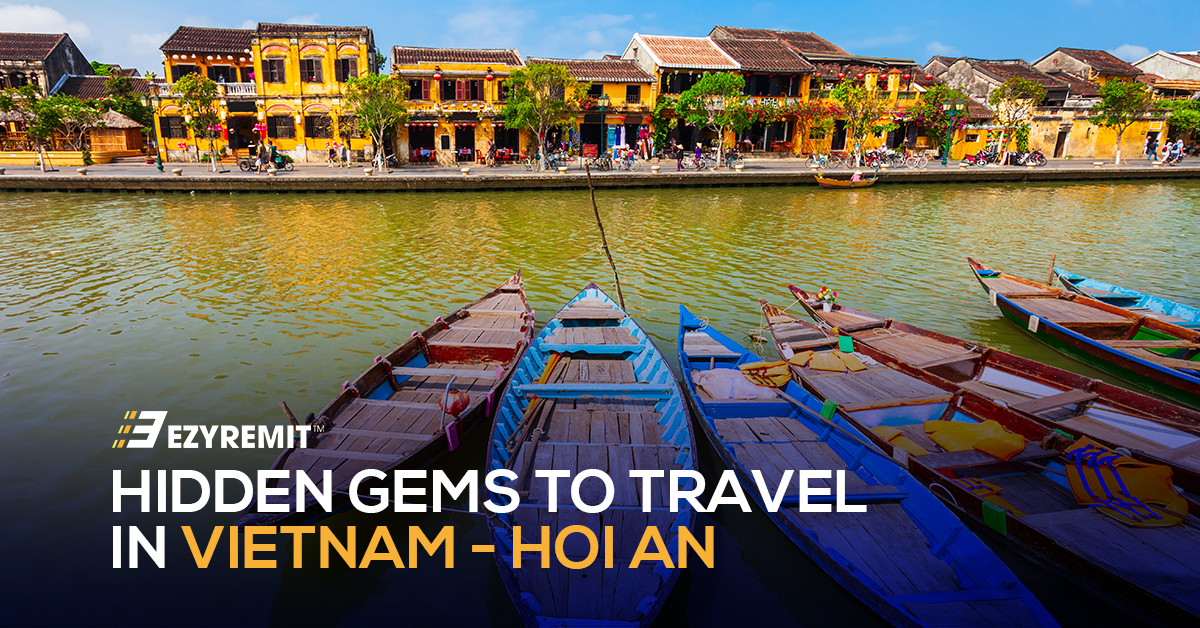
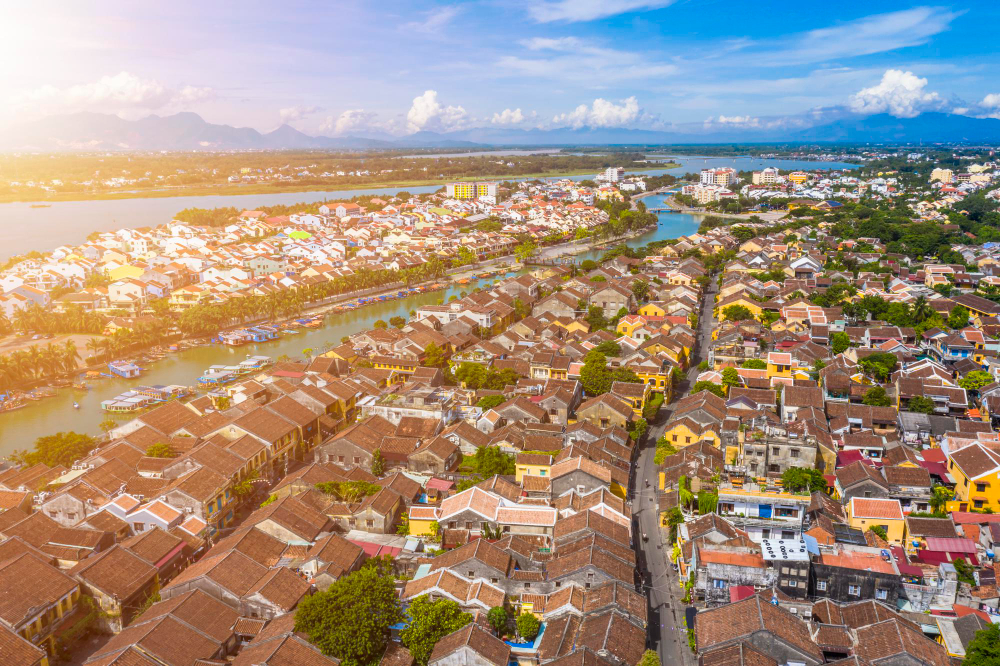
There are a lot of hidden gems to travel in Vietnam, and one of them is Hoi An. This beautiful city is located in central Vietnam and is known for its well-preserved architecture and its friendly people. 

Hoi An is a great place to visit if you want to get away from the hustle and bustle of city life. The city is small but there are plenty of things to see and do. You can explore the ancient ruins, visit the local markets, or take a boat ride through the picturesque waterways. 

See more: Top Vietnam Travel Tips For Foreign Visitors In 2022

A Hidden Gem in Vietnam

Hoi An is the place to go if you're looking for a hidden gem in Vietnam. On Vietnam's central coast, this quaint village is well-known for its preserved architecture and lively light festival.

While Hoi An may be small, it’s packed with things to do. Stroll through the narrow streets lined with French colonial buildings, visit one of the many temples or museums, or take a cooking class to learn how to make traditional Vietnamese dishes. 


Hoi An Ancient Town, Vietnam

Hoi An is also a great place to shop for souvenirs. You’ll find everything from handmade lanterns to silk clothing and custom-made shoes. And if you’re looking for something truly unique, head to one of the town’s many tailor shops to have a custom piece of clothing made just for you.

Hoi An is sure to please whether you're interested in history, culture, food, or shopping. So add this hidden gem to your Vietnam travel plans – you won’t regret it!

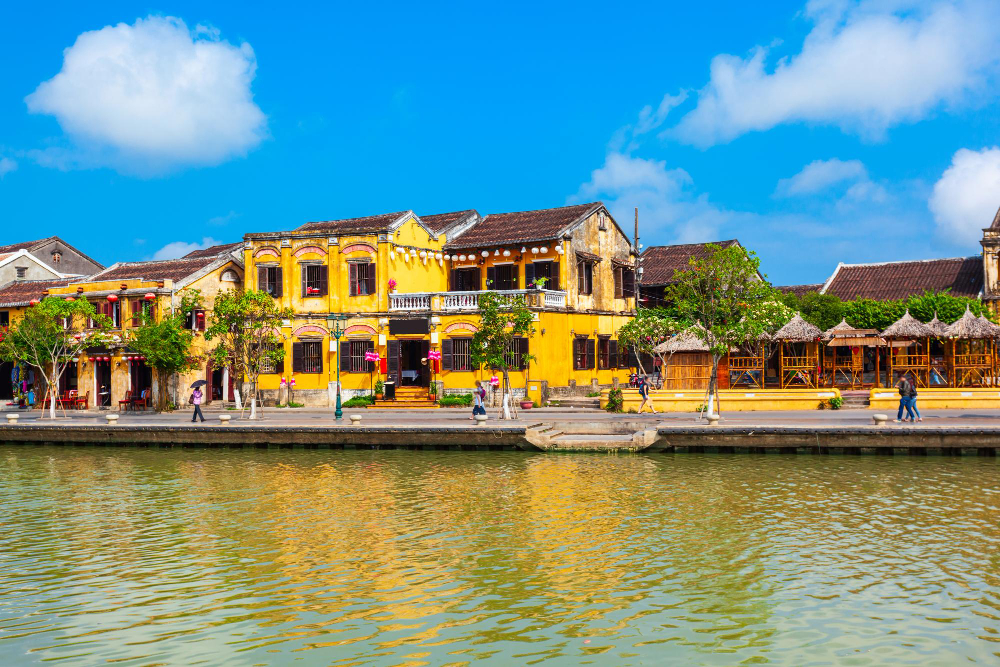
The Old Town of Hoi An

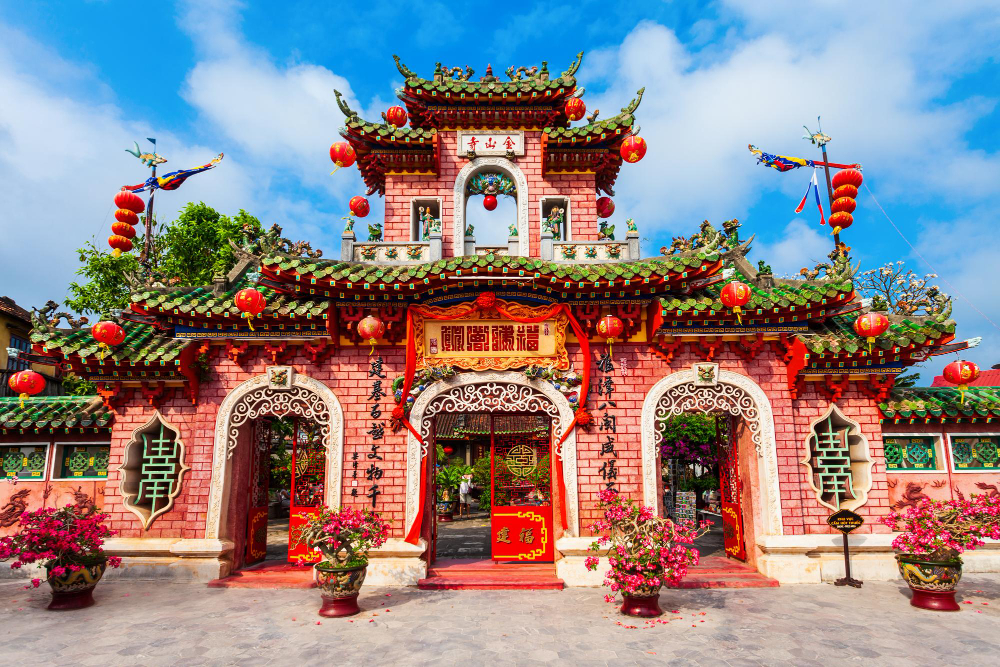
If you’re looking for a truly unique and atmospheric place to travel, then Hoi An is definitely worth a visit. This charming town was once an important trading port, and many of the buildings reflect a mix of Chinese, Japanese and French influences. These days it’s a UNESCO World Heritage site, and much of the old town is pedestrianized, making it a lovely place to wander around.

 Hoi An Old Town View

There are plenty of things to see and do in Hoi An. The ancient town is full of beautiful old temples, including the Cao Dai Temple which combines elements of Buddhism, Taoism and Confucianism. You can also visit the central market, take a boat trip down the river or try your hand at traditional paper lantern making. 

And of course, no visit to Hoi An would be complete without sampling some of the local cuisines – from fresh seafood to delicious street food, there’s something to suit every taste.

The Beaches of Hoi An

Hoi An is a beautiful coastal town in central Vietnam. Its temperate climate, sandy beaches, and turquoise waters make it a perfect destination for a beach vacation.

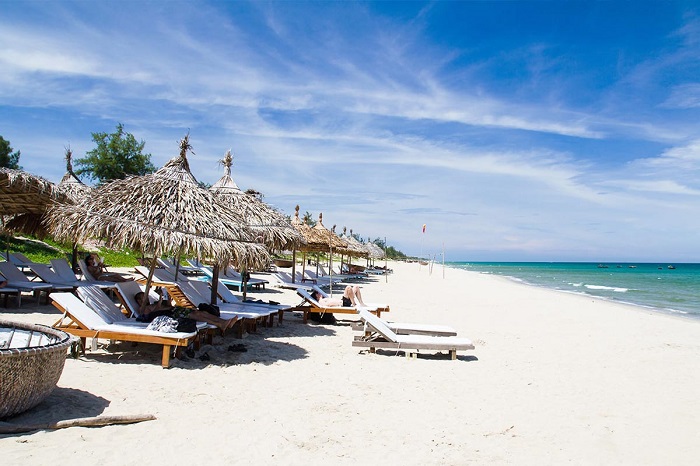
There are many different beaches to choose from in Hoi An. An Bang Beach is the most popular beach in town. It’s well-known for its golden sand and clear water. You can find many restaurants, bars, and cafes along the beach.

 An Bang Beach Hoi An

Cua Dai Beach is another great option for a day at the beach. It’s less crowded than An Bang Beach and has a more relaxed atmosphere. The long stretch of white sand and blue water is perfect for a lazy day spent swimming, sunbathing, and enjoying the views.

If you’re looking for a more secluded beach experience, try Bach Dang Beach. This hidden gem is located on the outskirts of town and is often empty due to its remote location. The tranquility of the surroundings makes it the perfect place to relax and enjoy nature.

The Rice Fields of Hoi An

If you're looking to escape the hustle and bustle of Hanoi or Ho Chi Minh City, then head to the small town of Hoi An. This hidden gem is located in central Vietnam and is known for its rice fields.

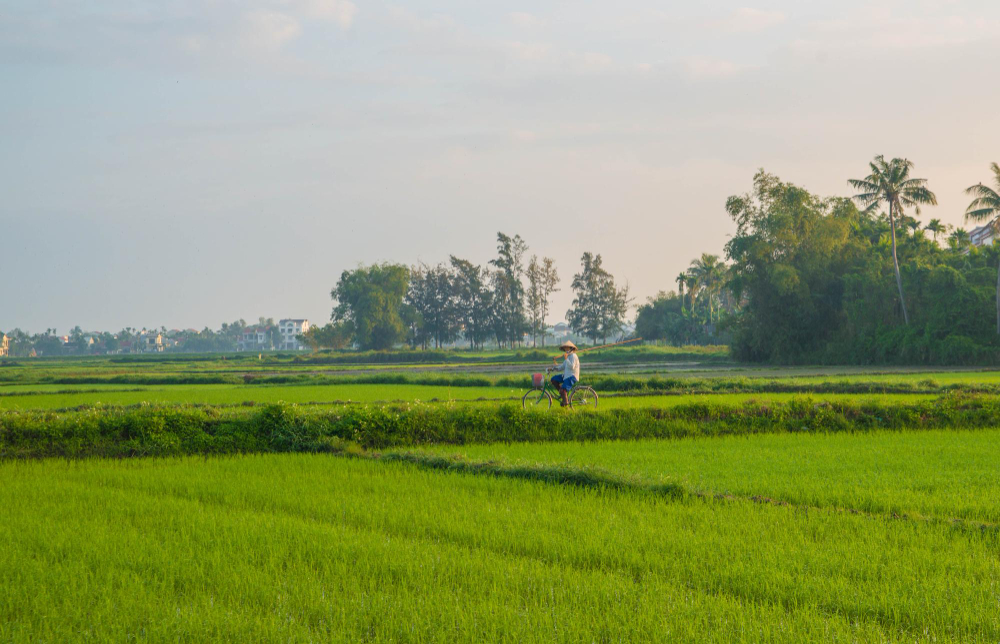
The rice fields of Hoi An are a must-see when visiting this town. They are located just outside of the city center and are a great place to take a leisurely stroll or go for a bike ride. The best time to see the rice fields is during the harvest season, which typically runs from October to December. During this time, the fields are full of workers harvesting the crop by hand.

 rice field in Hoi An

If you're interested in learning more about the rice fields of Hoi An, then be sure to check out one of the many tours that are offered in town. These tours will not only take you out to see the rice fields, but also teach you about the history and culture of this region.

Places to stay

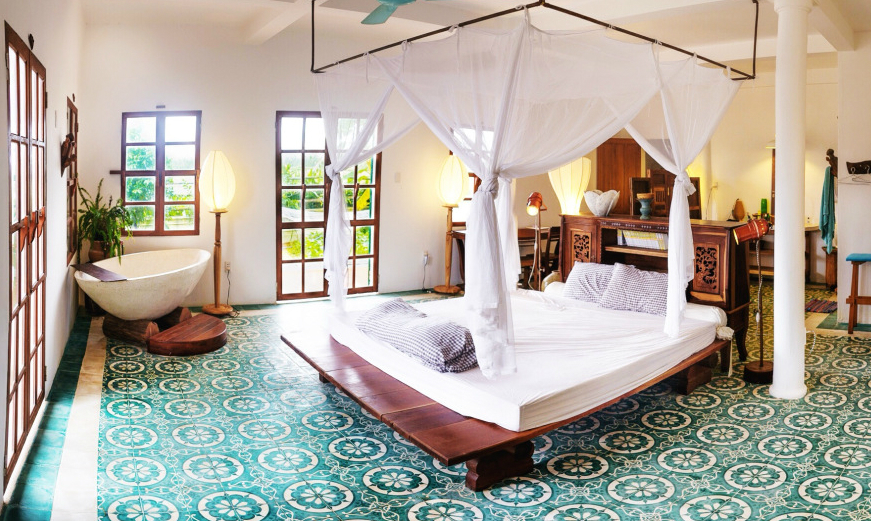
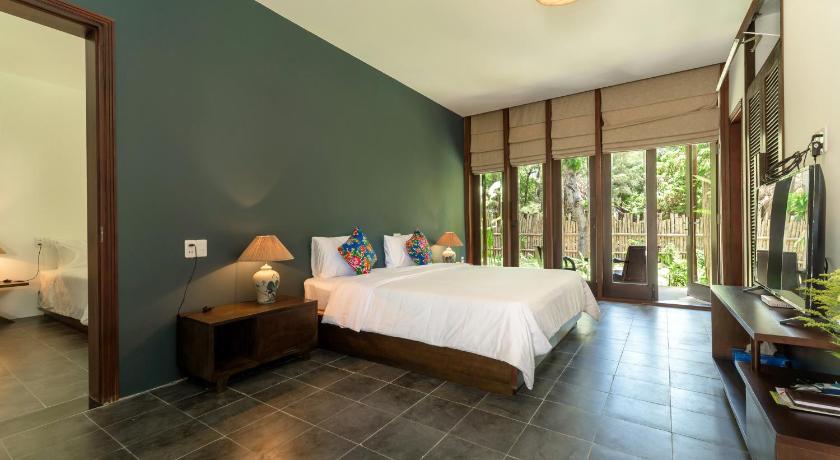
There are many places to stay in Hoi An, from high-end resorts to more affordable options. For those on a budget, there are plenty of hostels and guesthouses to choose from. If you're looking for something a bit more luxurious, there are several 4- and 5-star hotels in the city.


Some of the top places to stay in Hoi An include the Ana Mandara Resort, the Banyan Tree Lang Co, and the Fusion Maia Da Nang. These resorts offer stunning views, world-class amenities, and unparalleled service. For those wanting to experience a more traditional Vietnamese hotel, the Thanh Binh Riverside Hotel is a great option. This hotel is located on the banks of the Thu Bon River and offers beautiful river views.

Read more: Top Vietnam Travel Tips For Foreign Visitors In 2022

Where to eat 

If you're looking for some amazing food while in Hoi An, you won't be disappointed. There are plenty of great places to eat, whether you're looking for a quick bite or a sit-down meal.

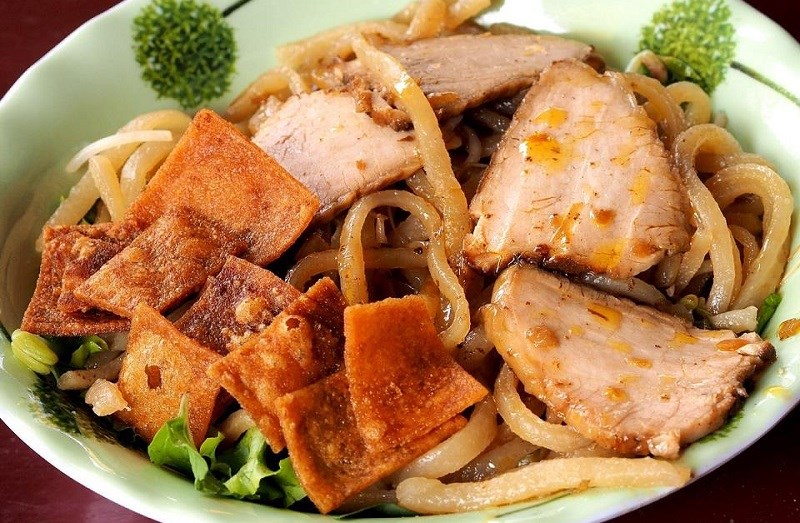
For a quick snack, head to one of the many banh mi carts dotted around the city. These little Vietnamese sandwiches are packed with flavor and make for a great on-the-go meal. If you're looking for something a bit more substantial, there are plenty of great restaurants serving up Hoi An's famous noodle soup, cao lau. This dish is not to be missed!

Hoi An food - Cao lau

For those with a sweet tooth, Hoi An is also home to some delicious desserts. Don't leave without trying the banh cam, a deep-fried dough ball filled with sweet mung bean paste, or the ba mau sweet soup, a refreshing soup made with green beans, lotus seeds, and coconut milk.

The Best Time to Visit

The best time to visit Hoi An is during the dry season, which runs from February to April. March and April are typically the busiest months, so if you're looking to avoid the crowds, plan your trip for early February. Keep in mind that Hoi An is located in Central Vietnam, so the weather will be hotter and more humid than in other parts of the country.

What to Do in Hoi An

Hoi An is an incredible city in Vietnam with a rich history and culture. There are plenty of things to do in Hoi An, from exploring the ancient town to visiting the nearby beaches. 

Here are some of the best things to do in Hoi An:

  1. Visit the Ancient Town: The ancient town of Hoi An is a UNESCO World Heritage Site and one of the most popular tourist attractions in Vietnam. It's well worth spending a day or two exploring the narrow streets, shops, temples, and museums.
  2. Go to the Beach: Hoi An is located just a short drive from some of Vietnam's best beaches. Whether you want to relax on the sand, go for a swim, or try your hand at surfing, there's a beach for you.
  3. Take a Boat Trip: One of the best ways to see Hoi An is from the water. There are plenty of boat trips available, ranging from short tours of the river to longer excursions out to sea.
  4. Eat Your Way through Hoi An: Vietnamese food is delicious, and Hoianese cuisine is some of the best in the country. Be sure to try some of the local specialties like Cao Lau and White Rose Dumplings.
  5. Shop for souvenirs: From silk lanterns to handmade crafts, there are plenty of great souvenirs to be found in Hoi An. Just be sure to haggle!

For a better experience traveling to Hoi An, try EzyRemit

EzyRemit is a convenient and easy-to-use service that makes keeping track of your financial information while traveling to Hoi An hassle-free. 

EzyTravel, a digital wallet that allows you to add funds and convert them into Vietnam Dong, makes it easy to keep track of your travel spending. EzyRemit also offers remittance services, allowing you to send money quickly and without worrying about high fees.

So if you're looking for a better way to travel, be sure to try EzyRemit!